
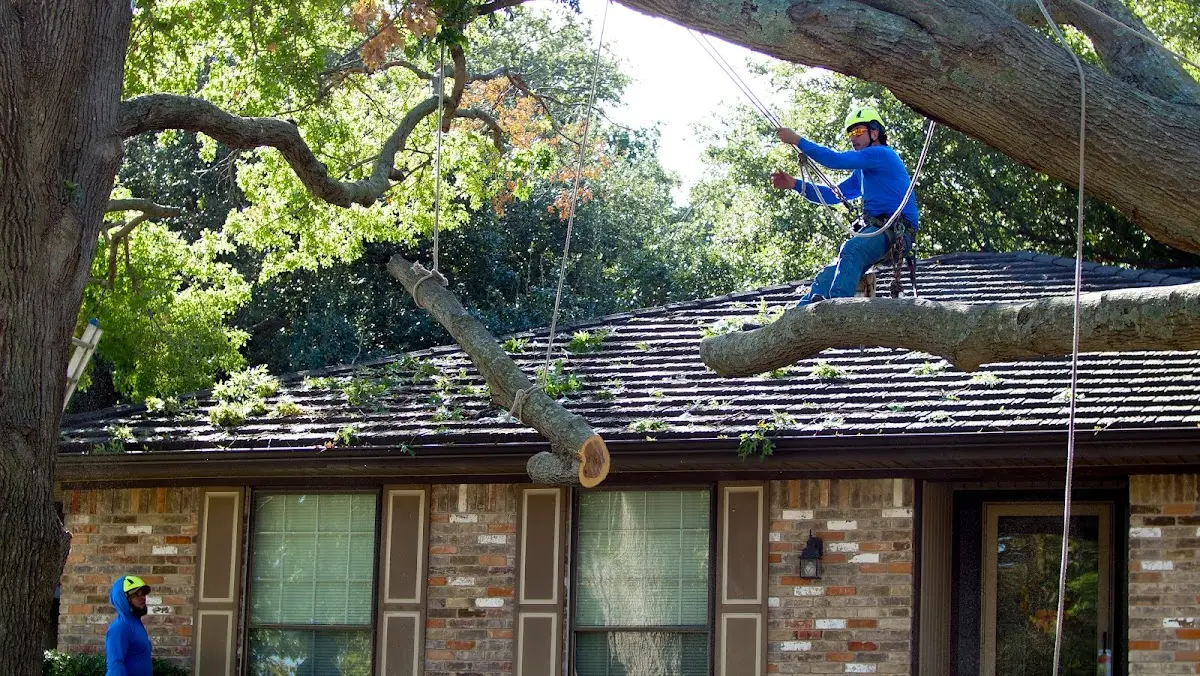
Expert deadwooding in South Wilmington, IL. ISA-trained arborists, proper rigging, and clean results you can count on.
B. Haney and Sons Arborists provides professional deadwood removal throughout South Wilmington, IL. Climbing a large mature tree to remove every dead branch requires patience, skill, and a careful eye — our climbers know how to spot deadwood from below and confirm it close-up before any cuts are made.
Properties throughout South Wilmington (pop. 720) face unique challenges when it comes to deadwooding. Illinois climate patterns, the local tree species mix, and the specific site conditions across South Wilmington all influence the approach we take. B. Haney and Sons Arborists tailors every deadwooding project to the conditions your property actually faces — no generic solutions, no unnecessary work, no upselling on services your trees do not need.
Choosing the right contractor for deadwooding in South Wilmington, IL makes the difference between proper tree care and damage that can last for decades. B. Haney and Sons Arborists uses correct rigging, follows ANSI standards, and backs every project with workmanship pride from a company carrying on a tree care tradition since 1940. Call (833) 214-3237 to schedule your free arborist assessment.
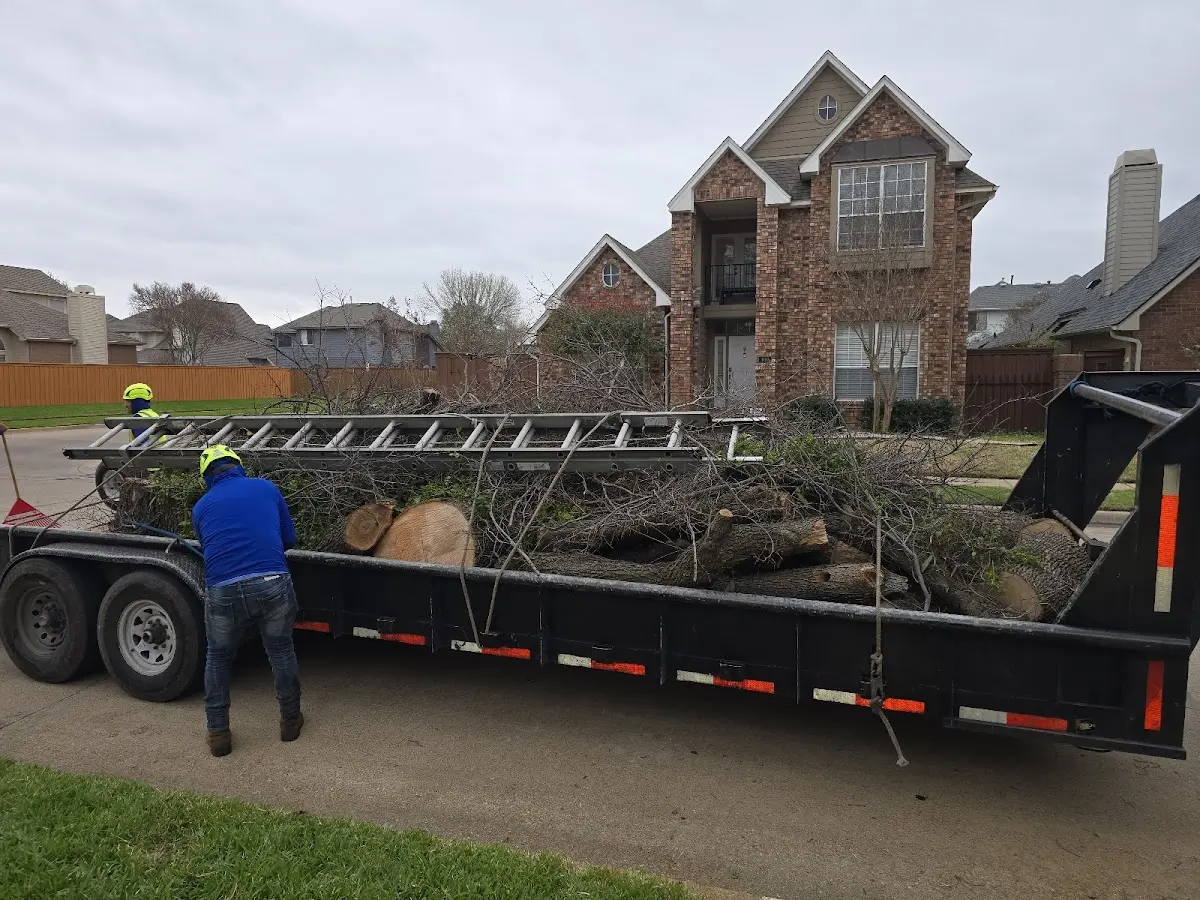
Here is how we handle every deadwooding project in South Wilmington.
Call any time and our arborist comes out to walk your property. We assess the trees, discuss your goals, and explain the work in plain language.
B. Haney and Sons Arborists provides transparent written pricing for every deadwooding job in South Wilmington. The quote includes all the work, all the cleanup, all the equipment — no surprises on the final invoice.
Our South Wilmington crew shows up when promised, sets up the site safely, and works with the equipment and rigging your specific job requires. ISA-trained arborists make every cut intentionally.
We haul all branches and brush, chip the small wood, grind stumps if requested, rake the work area, and leave your property cleaner than we found it.
Common questions about deadwooding in South Wilmington.
The cost of deadwooding in South Wilmington depends on tree size, species, access, equipment required, and whether stump removal is included. B. Haney and Sons Arborists provides free written estimates with transparent pricing so you know exactly what to expect before any work begins. We work in a wide range of budgets and never quote blind.
Most deadwooding jobs in South Wilmington, IL are completed in a single day, with cleanup finished by close of business. Larger or more complex projects involving cranes, multiple trees, or specialized equipment may take 2 to 3 days. We provide a clear timeline during the estimate.
B. Haney and Sons Arborists crews working deadwooding jobs in Illinois are led by ISA-trained arborists who follow ANSI A300 pruning standards and ANSI Z133 safety standards. Individual ISA certifications vary by team member, but every crew leader has the training to plan and execute the work properly.
Yes. B. Haney and Sons Arborists carries full general liability and workers compensation insurance for all deadwooding work in South Wilmington. Tree work is high-risk and uninsured contractors expose property owners to serious financial liability. We provide certificates of insurance on request before any job starts.
See what customers across the country say about working with B. Haney and Sons Arborists.
"Tree pest control treatment for emerald ash borer. The arborist explained the trunk-injection process, treated our ash trees, and the trees have stayed healthy through what would otherwise have been a death sentence. Thank you for saving them."
"I have been using B. Haney for our property for years. They prune our maples every other winter and the trees have never looked healthier. There is something to be said for hiring an arborist company that has been doing this since 1940 — the experience shows in every cut."
"Haney and Sons saved a 100-year-old elm on our property. Other companies told us to take it down. Their arborist did a careful evaluation, recommended cabling and a treatment plan, and the tree is thriving three years later. This is what 85 years of tree care knowledge looks like."